A replacement cap can keep a useful water bottle in service, but it only helps if it fits the bottle you own. The brand name and a similar-looking lid are starting points. Match the bottle family, size, generation and exact part description before paying for a replacement.
Identify the bottle before shopping for its lid
Write down the name on the bottle, its capacity and any model information on the base or original order. Keep a photograph of the opening and the old lid alongside those details. A product photo can help you identify what you have; it does not establish compatibility by itself.
Record whether yours is a bottle or tumbler, and whether its body is plastic or metal. If you know the purchase year or generation, include it. A seller’s phrase such as “fits this brand” is less useful than a list naming your exact family and size.
Choose the part that solves the actual problem
A complete lid, screw cap, drinking spout, bite valve, straw and seal are different purchases. First identify what is damaged or missing. Then read what the replacement package includes. A small accessory may need an existing assembly, while a complete cap may already include pieces you were about to order separately.
| Part being considered | Question to answer before ordering |
|---|---|
| Complete cap or lid | Does the compatibility list name this bottle family and size? |
| Valve or spout | Does it fit the lid assembly you already have? |
| Replacement straw | Is the stated length and connection intended for this model? |
| Seal or gasket | Is the exact part identified, rather than just a similar ring? |
Use the manufacturer’s part descriptions
The CamelBak replacement-parts directory, for example, separates complete caps from valves and straws and lists medium and large tumbler lids as different parts. Those labels are useful distinctions to preserve, rather than treating every lid from the same brand as interchangeable.
Its Pak Cap description names compatible vessel families and specifically excludes Podium bottles. That is a concrete example of why a brand match is insufficient. It is not a general compatibility statement for bottles from other makers.
Use the official page for the exact replacement you are considering and read its exclusions. If your model is missing from the description, ask the manufacturer about that bottle and part number. Keep the answer with the order instead of guessing from a photograph or forcing a near-fit.
Compare the complete repair cost
Add the replacement part, delivery charge and any additional pieces needed to make it usable. Compare that total with a complete bottle that meets the same need. A small part can be the sensible purchase when the body is still useful, but the smallest displayed item price does not automatically mean the cheapest complete solution.
Consider the features you rely on, such as the drinking style and carry handle. A different compatible cap may change those features. Check its intended use and care instructions; do not assume a replacement inherits every temperature, cleaning or leak-resistance claim made for a different lid.
Keep a short part record
- Bottle maker, family, capacity and known generation.
- Exact replacement name and part number.
- Compatibility statement and any exclusions.
- Included pieces and anything you must reuse.
- Complete delivered cost and applicable return terms.
Once the part arrives, follow the maker’s assembly and care instructions. Keep the packaging until you have checked that you received the correct part. Saving the part number also makes a future replacement easier to identify.
Use our shopping tools for a complete-cost comparison, or browse savings guides for more ways to evaluate a purchase before ordering.
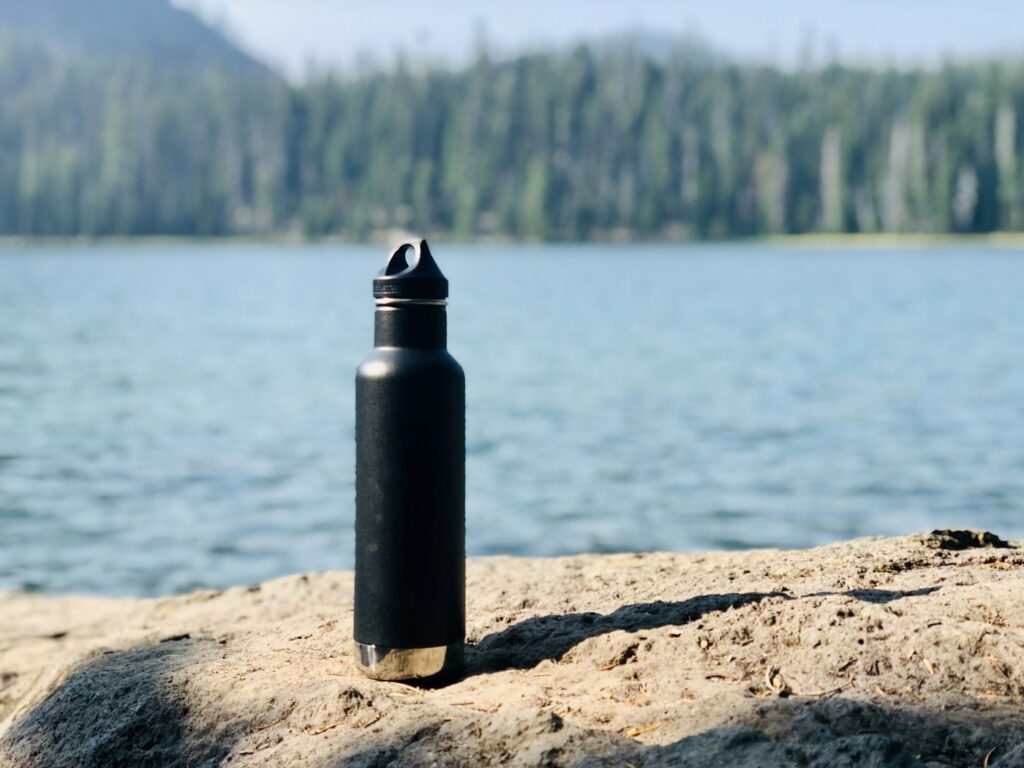
Photo: Brooks Rice on Unsplash, used under the Unsplash License. The bottle photograph illustrates the subject, not the fit of a particular replacement part.