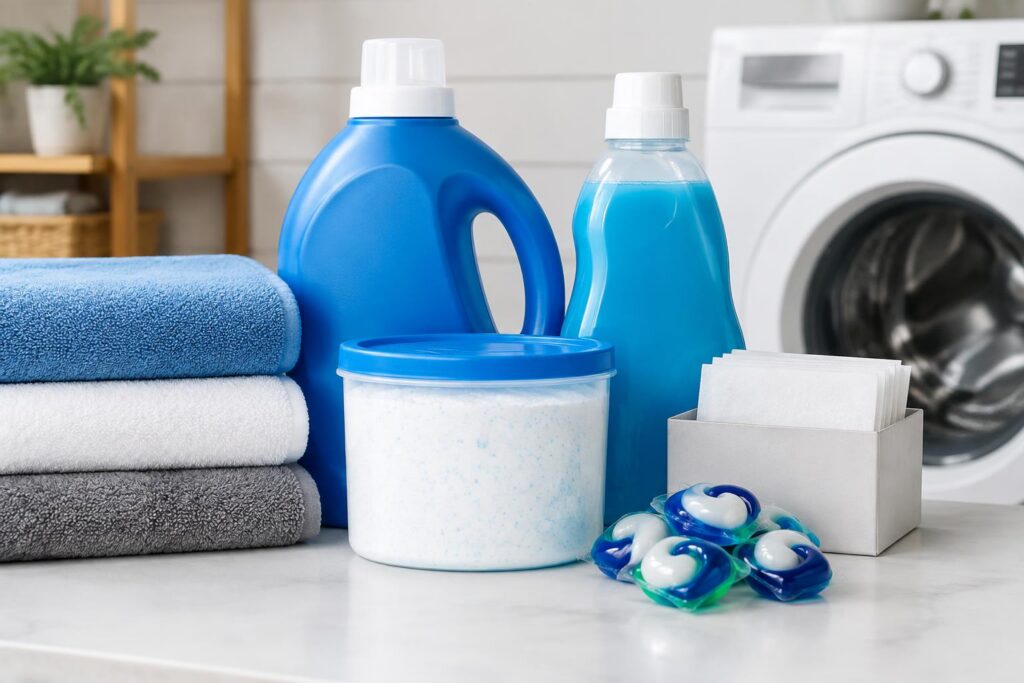
A laundry or paper deal is worth stocking up on when the final cost per useful load, sheet or square foot beats your normal price. A bigger pack, a “mega” label or a large percentage-off badge cannot answer that on its own. Here is a practical way to compare Amazon household offers without buying more than you can use.
Deal alert: These deals can change at any time without notice! Prices, discounts, coupons, and availability may vary by location, account, size, color, or seller. The price shown was reported when the deal was found or published and is not guaranteed. Always verify the final price and promotion terms before checkout. Amazon prices, coupons, and Prime offers may vary by account.
As an Amazon Associate I earn from qualifying purchases. All prices in the examples below are hypothetical, not current Amazon offers.
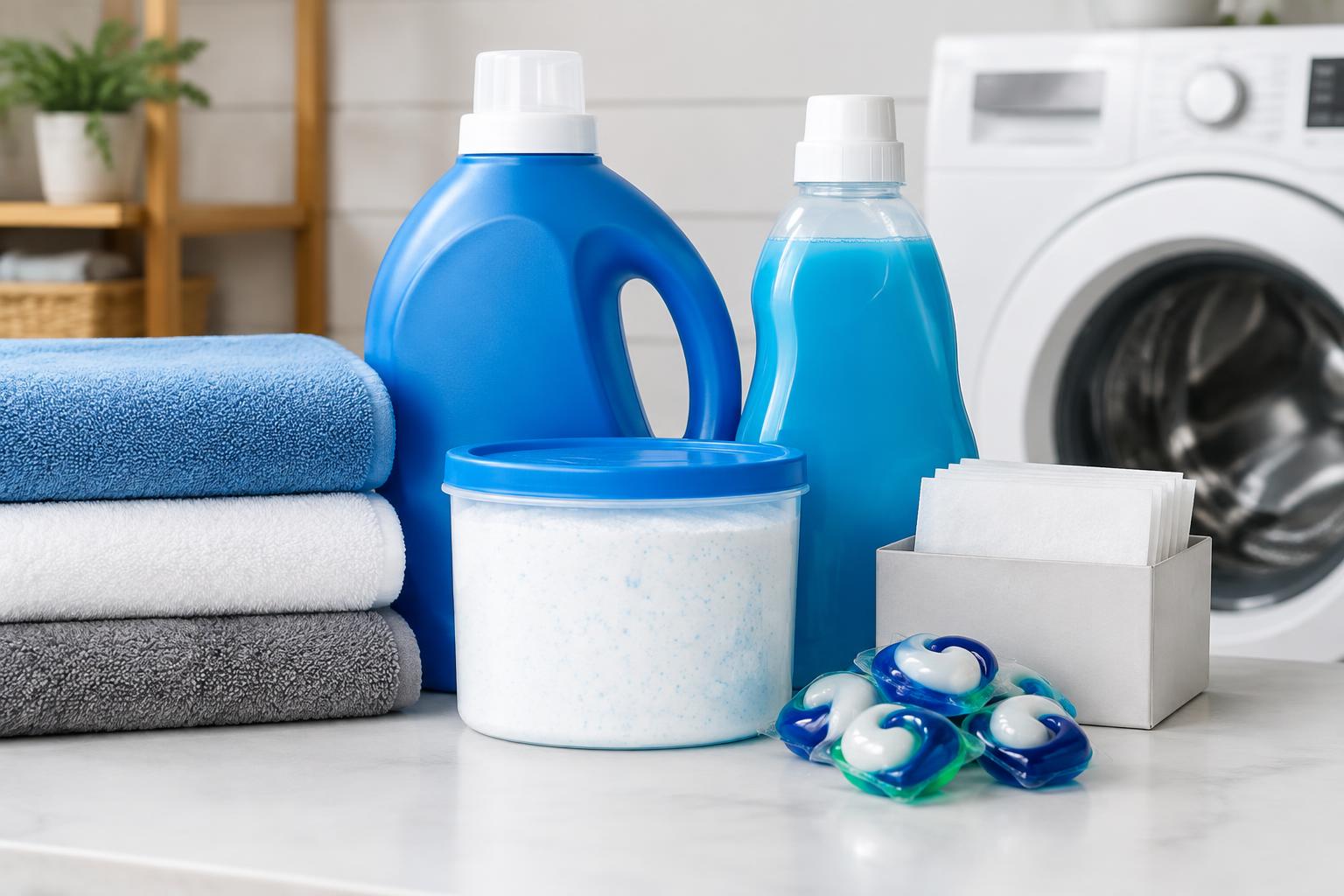
Put the comparison into practice: use our free Household Savings Calculator for laundry cost per load, toilet paper per 100 sheets and paper towel area. It uses the prices and eligible discounts you enter, not a live price feed, and separates first-purchase from recurring estimates.
1. Write down what is actually in the package
Open the exact size, scent, formula and pack count you would buy. Read the quantity on the selected listing and package image, not just the search-result title. If they disagree, resolve that before relying on the calculation.
- Liquid detergent: bottle count, volume, labeled loads and dosing directions for your load size.
- Detergent packets: packets per container, container count and packets needed per wash under the label directions.
- Toilet paper: rolls, sheets per roll, sheet dimensions and ply.
- Paper towels: total area when available, sheet size, sheet count and whether sheets are full-size or selectable half-sheets.
Compare similar products. More thin sheets are not necessarily a substitute for fewer thicker sheets, and a different detergent formula may not suit your household. NIST explains why consistent unit pricing helps reveal package-size differences.
2. Use the price you can actually get
Record two separate totals if an item offers both one-time purchase and Subscribe & Save. Apply only coupons available to your account for the chosen variant and quantity. Do not add two advertised percentages unless the terms and checkout confirm how they combine.
For a quick product comparison, divide the confirmed after-discount item subtotal by the matching quantity. Then compare the whole checkout, including delivery and tax where applicable. A tiny unit-price advantage can disappear when one order adds shipping.
Keep later rewards or rebates separate from the amount due today. A first-subscription coupon is also different from the price of every future delivery. See our Amazon coupon checks and Subscribe & Save first-versus-future-price guide.
3. Compare laundry by a realistic dose
Price per labeled load = discounted package price ÷ labeled loads. This is a useful first pass when formulas and dosing assumptions match. Your actual cost per wash depends on how much the label calls for. Tide’s dosing guidance says load size and soil level affect the amount needed, and directions vary by product.
| Option | Final item price | Comparable quantity | Unit cost |
|---|---|---|---|
| Liquid A | $12 | 80 labeled loads | 15¢ per labeled load |
| Liquid B | $15 | 100 labeled loads | 15¢ per labeled load |
The larger bottle has no unit-price advantage in this example. Choose based on cash outlay, storage and whether you will use it, rather than the bigger load count.
For packets, a hypothetical 60-count tub at $12 costs 20¢ per packet. If the directions for your wash call for two packets, that is 40¢ per wash, not 20¢. This illustrates the calculation; it is not a dosing recommendation. Follow your exact product label rather than reducing detergent just to hit a price target.
4. Compare paper without the “mega roll” guesswork
When sheet size and ply match: multiply rolls by sheets per roll, divide price by total sheets, then multiply by 100 for an easy price per 100 sheets.
| Pack | Actual sheets | Final item price | Cost per 100 sheets |
|---|---|---|---|
| 12 rolls × 250 sheets | 3,000 | $15 | 50¢ |
| 18 rolls × 200 sheets | 3,600 | $16.20 | 45¢ |
The second pack costs $1.20 more today but 10% less per 100 comparable sheets. That does not automatically make it the right quantity for your budget or storage.
When sheet sizes differ: compare the total area printed on the package, using the same unit. For example, $18 for 600 square feet is $3 per 100 square feet; $16 for 400 square feet is $4 per 100 square feet. Those are hypothetical prices. If only dimensions are available, square feet equal sheet count × sheet length in inches × sheet width in inches ÷ 144.
Area compares the amount of paper, not absorbency, softness or durability. Keep those differences in the buying decision. For tissues and other similar-sized disposable items, price per matching sheet or item may be enough. Our general unit-price guide covers more conversions.
5. Decide how much to stock up on
- Count what you own. Include unopened packs, not just the one in use.
- Estimate your use. If one bottle lasts six weeks, three new bottles are roughly 18 weeks of additional supply.
- Set a shelf limit and a spending cap. Keep products in suitable storage and follow package safety instructions.
- Compare with your own recent purchases. Record the date, exact package and unit price. A reference-price discount does not prove a historical low.
- Buy only the useful quantity. Skip an extra item that raises your total merely to qualify for a subscription tier or promotion.
For a reusable comparison note, copy: Product and variant / quantity / one-time or subscription / applied coupon / final item subtotal / cost per useful unit / delivery cost / quantity needed.
Find offers, then do the quick check
Start at our Amazon deals and savings hub for recent posts and curated roundups. Grocery shoppers can also use the Amazon grocery hub. Treat each dated post as a lead, then confirm today’s package, terms and checkout total.
Want new finds in your feed? Join GlitchNDealz on Telegram for free deal alerts.