This article may contain affiliate links. GlitchNDealz may earn a commission from qualifying purchases.
Paper-maker guidance reviewed October 22, 2026.
A paper pack can have more sheets and still provide less usable material for a project. Compare four separate things: the sheet dimensions, total sheets, paper weight and surface. Start with the tool and finished project, then choose the pack. A heavier sheet or a bigger count does not make the wrong paper a better purchase.
Read GSM as weight per area
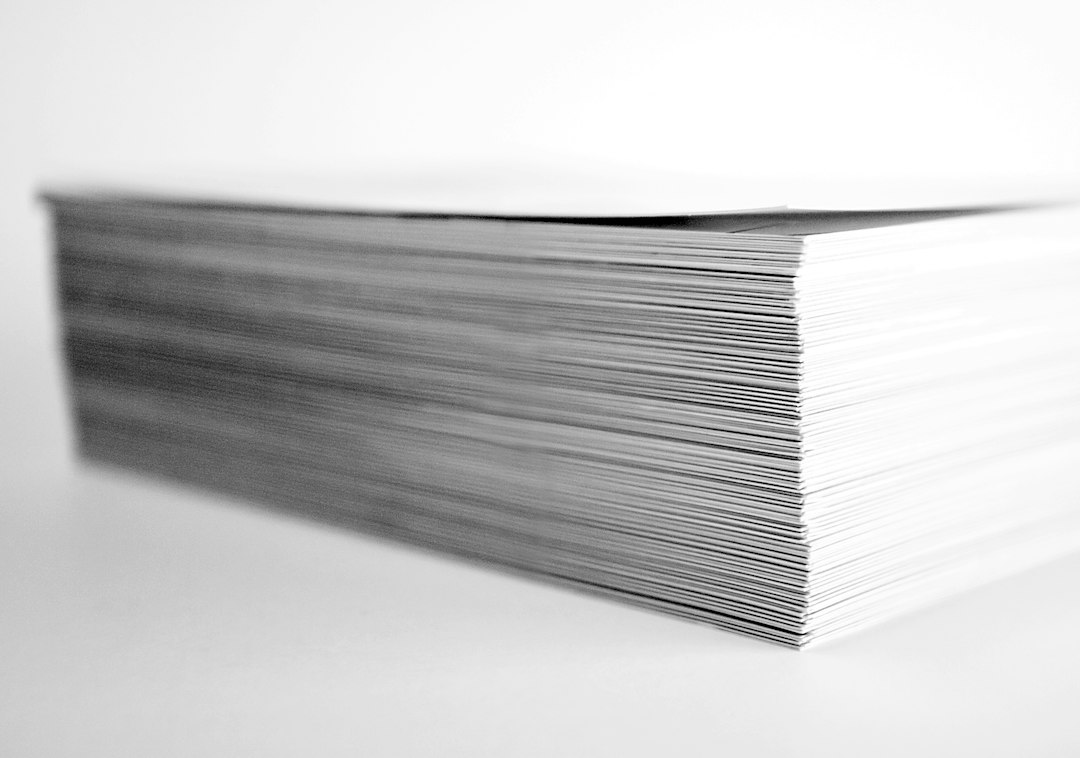
GSM means grams per square meter, also written g/m². It describes the mass of a given area of paper. Keep that number separate from sheet count and sheet dimensions. A 200 GSM label is not a count of 200 sheets, and it is not a direct measurement of thickness in millimeters.
Canson’s paper-selection guidance for drawing treats paper weight, format, texture and the drawing medium as separate choices. That is a useful way to shop: first match the paper to the job, then compare quantities among suitable options. Do not assume one GSM is appropriate for every marker, printer or wet technique.
Compare the actual surface you will use
| Project | Check on the product | What count alone misses |
|---|---|---|
| Pencil drawing or coloring | Paper texture and intended drawing medium | More smooth sheets may not replace the surface you prefer. |
| Marker work | Paper intended for the ink and tool | Weight alone does not establish ink handling. |
| Painting or mixed media | Maker’s stated suitability for the wet technique | A heavy-looking cover does not describe the sheets inside. |
| Printed crafts or photographs | Printer-compatible media type, weight limit and finish | A pack can exceed the printer’s supported media limits. |
For printed projects, Canson’s photo-paper guidance stresses following the printer maker’s maximum media thickness or weight and choosing the matching paper setting. A paper’s finish also affects the result. Check the printer manual and exact paper instructions rather than transferring a setting from another pack.
Compare sheet area as well as sheet count
Hypothetical example, not a live product or offer: Pack A has 100 sheets measuring 9 by 12 inches. Pack B has 200 sheets measuring 6 by 8 inches. Pack A supplies 100 × 9 × 12 = 10,800 square inches of paper. Pack B supplies 200 × 6 × 8 = 9,600 square inches. Pack B has twice as many sheets, yet less total surface area.
Total area still does not answer whether the sheets fit the project. If you need one uninterrupted 9-by-12-inch page, a smaller sheet cannot replace it. If the project uses small cut shapes, plan the layout on one sheet and count usable pieces; trimming and grain direction can change the practical yield.
Price the usable project, not just the pack
Hypothetical cost example: Pack A costs $12 and Pack B costs $10. The cost per sheet is 12 cents versus 5 cents. If the required project needs the larger uninterrupted sheet, the lower cost per small sheet does not make Pack B a substitute. These figures are calculation examples, not current retailer prices or a discount claim.
Among papers that meet the same need, compare the final checkout cost after an eligible immediate coupon. Record shipping separately and keep any later reward separate from the money due now. A mixed-color assortment also needs a useful-color count: a hundred sheets are not a hundred usable sheets if most colors do not suit the project.
Keep a small paper-buying checklist
Write down the finished project size, sheet dimensions, total sheets, GSM, surface or finish, color assortment and intended tool. For a printer, add the supported media setting and maximum weight or thickness from its manual. That short record makes a repeat purchase easier without relying on a package’s overall size.
Use our art-set contents comparison when paper is bundled with other supplies. Browse other shopping guides and keep quantities and checkout costs in the shopping comparison tools.