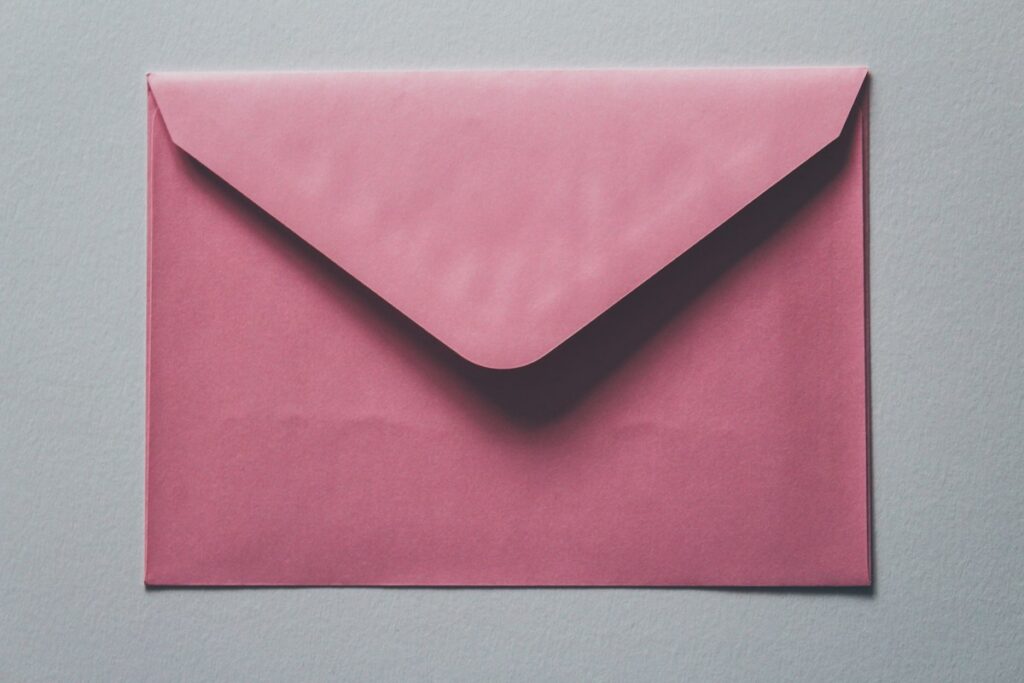
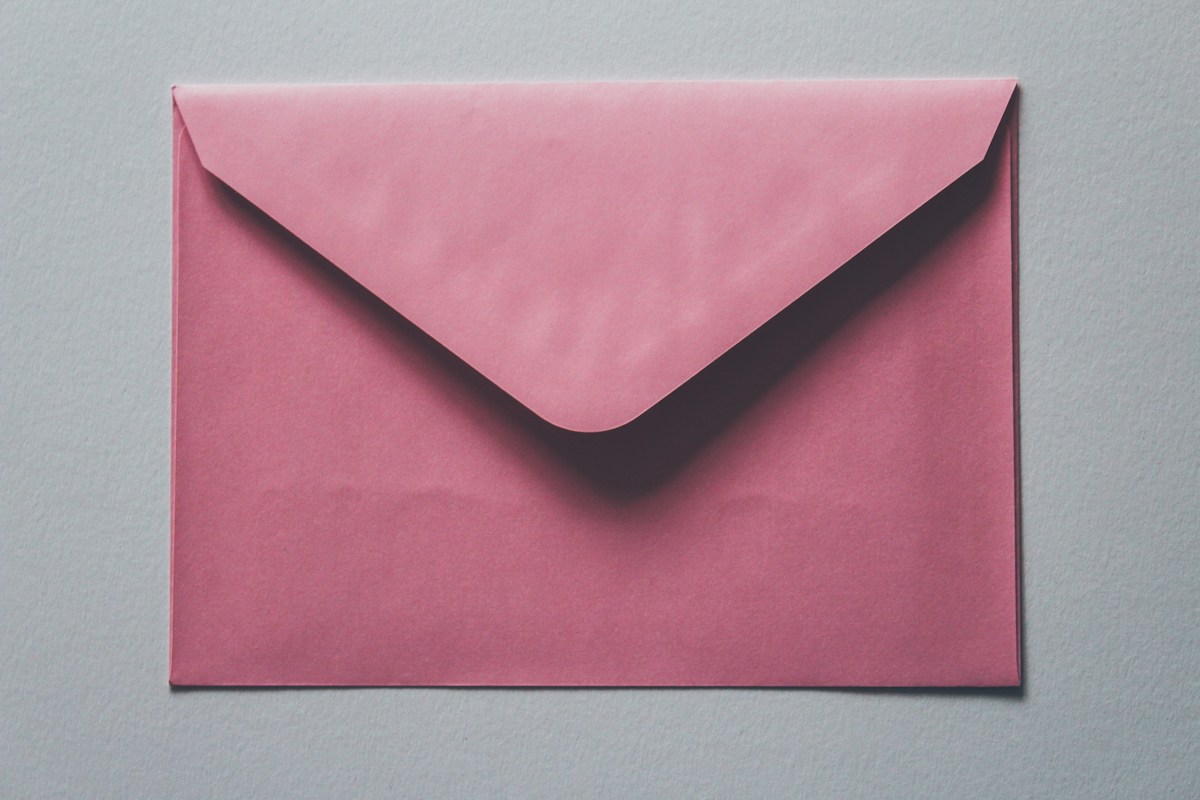
When comparing boxes of greeting cards, include the envelope in the buying decision. A square design, a rigid insert or a raised decoration can change how the finished card is mailed. Check one complete card-and-envelope combination before ordering enough for your whole list.
Start with the envelope’s outside dimensions
Measure the sealed envelope rather than the open card or the packaging box. For domestic U.S. letter-size mail, USPS lists a minimum height of 3½ inches and length of 5 inches, and a maximum height of 6⅛ inches and length of 11½ inches. The thickness range is 0.007 inch to ¼ inch. USPS defines length as the side parallel to the delivery address.
Those size limits are a starting point, not a complete postage quote. Shape, flexibility, weight and how the envelope is prepared also matter. USPS specifically identifies square greeting cards as a reason shoppers can encounter an extra nonmachinable charge.
Compare the complete mailing setup
| Card choice | What to check before buying a box |
|---|---|
| Flat rectangular card | Envelope dimensions and the weight of everything inside |
| Square card | Whether its shape requires additional postage |
| Layered or embellished card | Thickness, flexibility and protection for raised details |
| Card with a photo or newsletter | The sealed sample with the actual insert included |
A set sold with matching envelopes saves a separate sizing step, but it does not guarantee that every combination qualifies for a single stamp. Confirm the number of envelopes in the box as well as the card count. If you regularly make addressing mistakes, decide whether you want extra envelopes rather than assuming the pack includes spares.
Make one realistic sample
Use the same card, envelope, photo, letter and other paper inserts you plan to mail. Seal the sample and weigh it as a complete piece. A card’s bare weight or the shipping weight of the retail box cannot tell you the final weight of each envelope.
On its domestic letter-mailing page, USPS explains that postage depends mainly on weight and size or shape. It also flags rigid, lumpy and unusually fastened envelopes as potential nonmachinable mail. For a finished piece with uncertain characteristics, have the sample assessed at a Post Office before you buy postage for the entire batch.
Keep decorative details inside a suitable envelope
If you like wax seals, ribbon or other exterior decorations, plan their protection before buying matching supplies. USPS advises placing externally decorated invitations inside another envelope. Recheck the dimensions and weight of that finished outer envelope, since it becomes the piece you are mailing.
Do not assume that adding a protective envelope will automatically produce ordinary letter postage. The complete piece still needs to meet the relevant requirements. If a rigid gift or keepsake is part of the present, compare appropriate package options rather than trying to make a paper envelope serve as a box.
Compare the total project, not just the card count
Make a small worksheet with cards, envelopes, inserts, any protective outer envelopes and the postage assessed for your sample. Multiply only after you know the per-card mailing setup. This helps you compare a decorative boxed set with a simpler design without inventing a savings estimate from the shelf price alone.
This guide covers domestic U.S. planning. International mail and extra services require their own checks. Keep the official USPS postage calculator handy for current prices instead of relying on an old stamp-price note. For other purchase-planning aids, see our shopping tools.
Disclosure: GlitchNDealz may earn a commission from qualifying purchases through affiliate links, at no additional cost to you.